print(f"Hello {name}, welcome to our course!")
name = "Sarah"
See what happened there? We're trying to print someone's name before we've actually told the computer what that name is. The computer gets to that first line and goes, "Uh, mate, what's this 'name' thing you're talking about?"

This is the programming equivalent of introducing your friend to someone who hasn't walked into the room yet. Awkward? Absolutely. Functional? Not even close.

## The Right Way: Order Matters!

Here's how that same code should look:

```python
name = "Sarah"
print(f"Hello {name}, welcome to our course!")
Much better! Now we're:
- First, storing "Sarah" in our name variable
- Then, using that stored value in our greeting
The computer can follow along perfectly, and Sarah gets her proper welcome message. Everyone's happy!
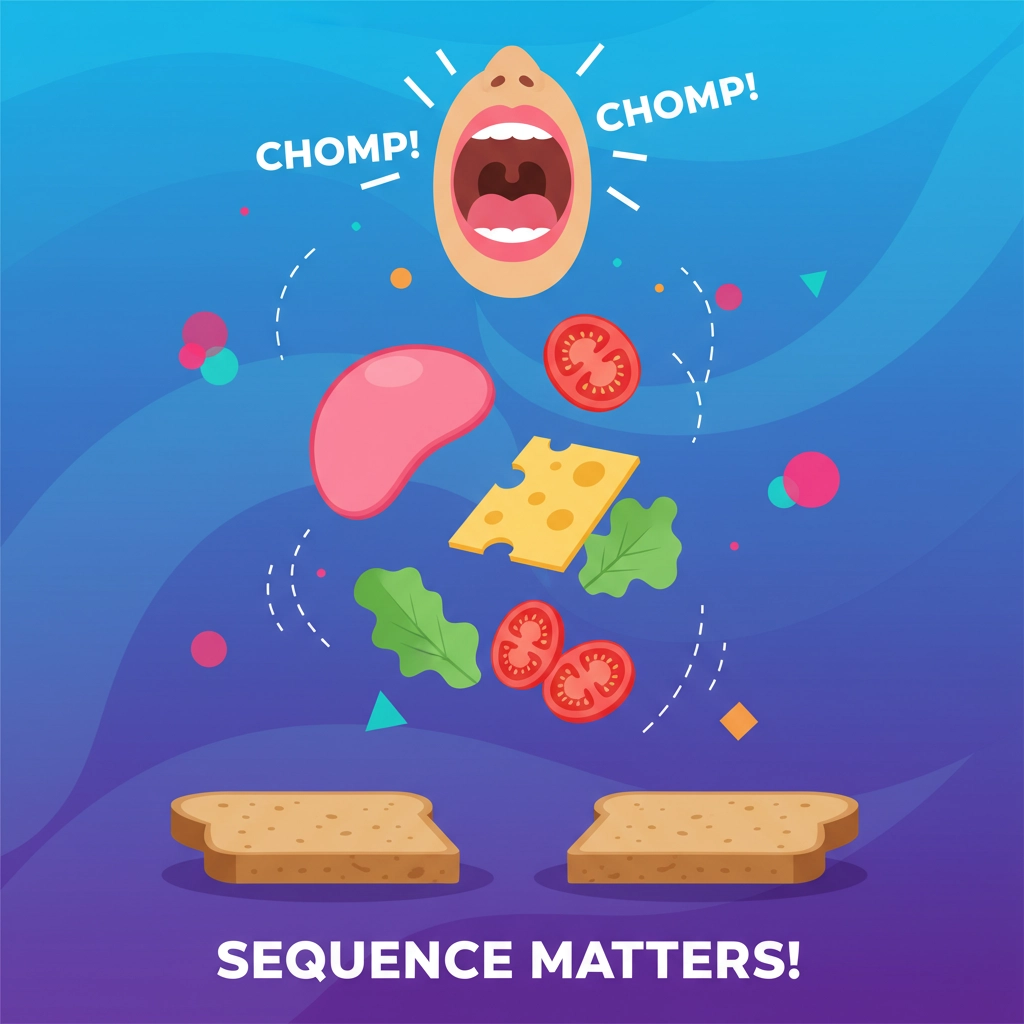
Why Your Career Depends on Getting This Right
Now, you might be thinking, "Tim, this seems pretty basic. Why are you making such a big deal about it?" Well, let me tell you something, I've been teaching programming for years, and sequence mistakes are responsible for more debugging headaches than any other single issue.
When you're working on real projects (and trust me, you will be), sequence becomes absolutely critical. Imagine you're building a login system:
# WRONG WAY - This will crash and burn
if user_authenticated:
    show_dashboard()

user_authenticated = check_credentials(username, password)
versus:
# RIGHT WAY - This actually works!
user_authenticated = check_credentials(username, password)

if user_authenticated:
    show_dashboard()
In the first example, you're trying to check if someone's authenticated before you've actually checked their credentials. In the real world, this could mean exposing sensitive data or crashing your entire application. Not exactly the kind of thing that'll impress your boss or your users!
Sequence Meets the Real World
Here's where things get really interesting. Sequence isn't just about individual lines of code, it affects entire programs and systems. Let's say you're building a simple calculator (because who doesn't love a good calculator project?):
# Getting user input
first_number = float(input("Enter first number: "))
second_number = float(input("Enter second number: "))
operation = input("Enter operation (+, -, *, /): ")

# Performing the calculation
if operation == "+":
    result = first_number + second_number
elif operation == "-":
    result = first_number - second_number
elif operation == "*":
    result = first_number * second_number
elif operation == "/":
    if second_number != 0:
        result = first_number / second_number
    else:
        result = "Error: Division by zero!"

# Displaying the result
print(f"Result: {result}")
Look at that beautiful sequence! We:
- Get the input first
- Process it second
- Display the result last
Try to jumble that order, and you'll end up with a calculator that displays results before it knows what to calculate. Not exactly useful!

The Connection to Other Programming Concepts
Here's something that might blow your mind, sequence connects to absolutely everything else in programming. When you're learning about loops (iteration), you need to understand sequence to know what happens in what order during each loop. When you're dealing with conditional statements (selection), sequence determines which conditions get checked first.
Whether you're diving into a Java crash course, exploring Advanced C, or jumping into a golang crash course, sequence remains the constant foundation. It's like learning to walk before you run, except in programming, if you skip the walking part, you'll face-plant spectacularly.
Common Sequence Mistakes That'll Make You Laugh (Or Cry)
Let me share some classics I've seen over the years:
The "Cart Before the Horse" Error:
car.start()
car.insert_key()
The "Cooking Backwards" Mistake:
serve_dinner()
cook_meal()
buy_ingredients()
The "Getting Dressed" Disaster:
put_on_shoes()
put_on_socks()
I'm not even making these up! (Well, OK, I simplified them a bit…) These are the kinds of logic errors that happen when we don't think about sequence.
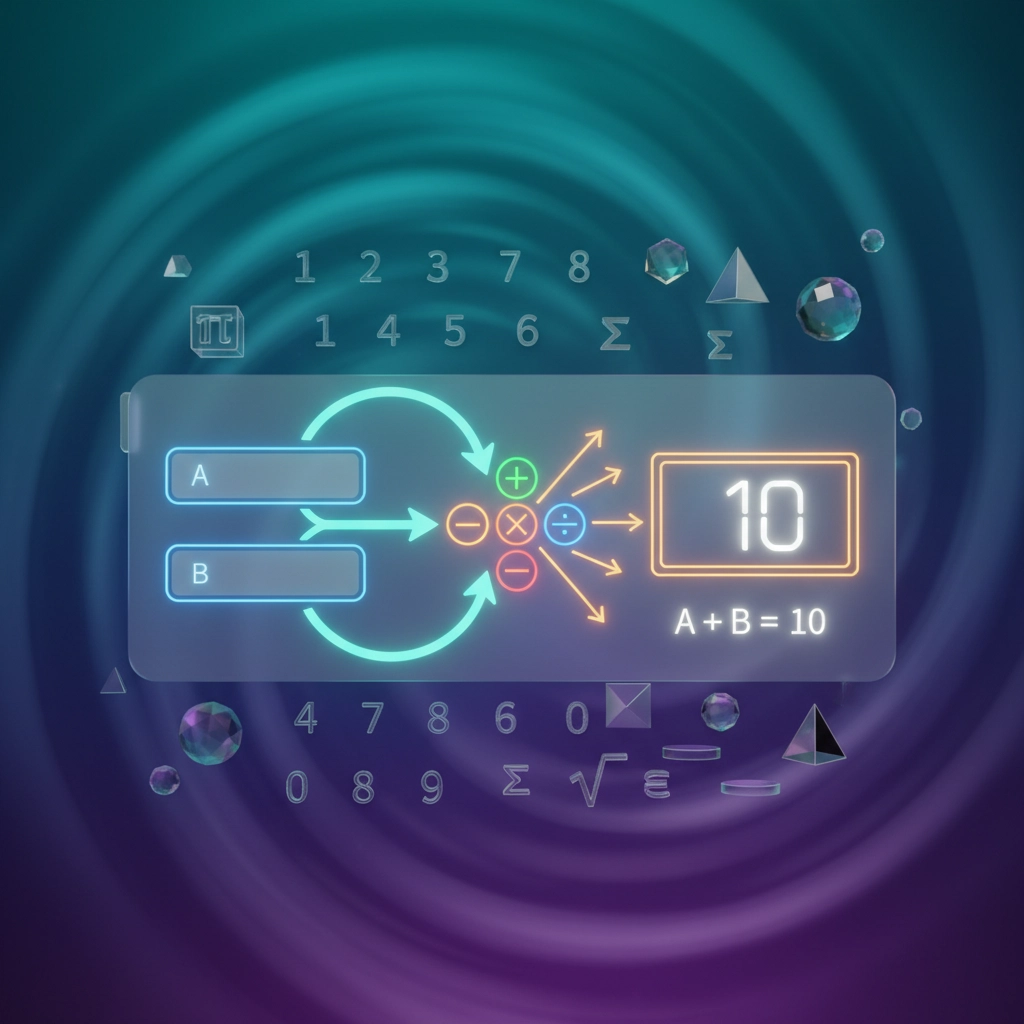
Debugging: When Sequence Goes Wrong
When your code isn't working, sequence problems are often the culprit. Here's my tried-and-true debugging approach:
- Read through your code line by line (yes, actually READ it)
- Ask yourself: "Does this line depend on something from a previous line?"
- Check if you're using variables before defining them
- Make sure function calls happen after function definitions
- Verify that setup code runs before main logic
This approach has saved me countless hours of head-scratching. Trust me on this one!
Sequence in Different Programming Languages
The beautiful thing about sequence is that it's universal. Whether you're working with Python, Java, C++, JavaScript, or Go, the concept remains the same. The syntax might change, but the underlying principle: do things in the right order; never does.
In Java:
String greeting;
greeting = "Hello World";
System.out.println(greeting);
In C:
int x;
x = 5;
printf("The value is %d", x);

You may also like
Microsoft Acquires Xamarin. Big News For Developers!

Android Development – A Glimpse into the History

Android App development. Best choice for a Mobile Platform?