Python Data Structures and Algorithms: Why this Skill Set Gets You Hired in 2025
G’day programmers! Tim here from Learn Programming Academy, and mate, do I have some exciting news for you. We’ve just launched our brand new “Python Data Structures and Algorithms” course, and honestly? I reckon this might be one of the most important courses we’ve ever created. If you’re keen to dive in now, our complete guide is currently discounted—check it out here: Python Data Structures and Algorithms: Complete Guide.
Now, I know what you’re thinking: “Tim, why are you getting so worked up about data structures and algorithms? Isn’t that just theoretical computer science stuff?”
Well, let me tell you why this skillset is absolutely CRUSHING it in 2025’s job market!
The Reality Check: It’s Not Just About Knowing Python Anymore
Here’s the thing – and I learned this the hard way when I was starting out (more on that embarrassing story later) – knowing Python syntax is like knowing how to hold a paintbrush. Sure, it’s necessary, but it doesn’t make you Picasso!
In 2025, Python dominates a whopping 71% of AI engineering job postings. That’s massive! But here’s the kicker: everyone and their dog knows basic Python now. What separates the wheat from the chaff? You guessed it – data structures and algorithms.
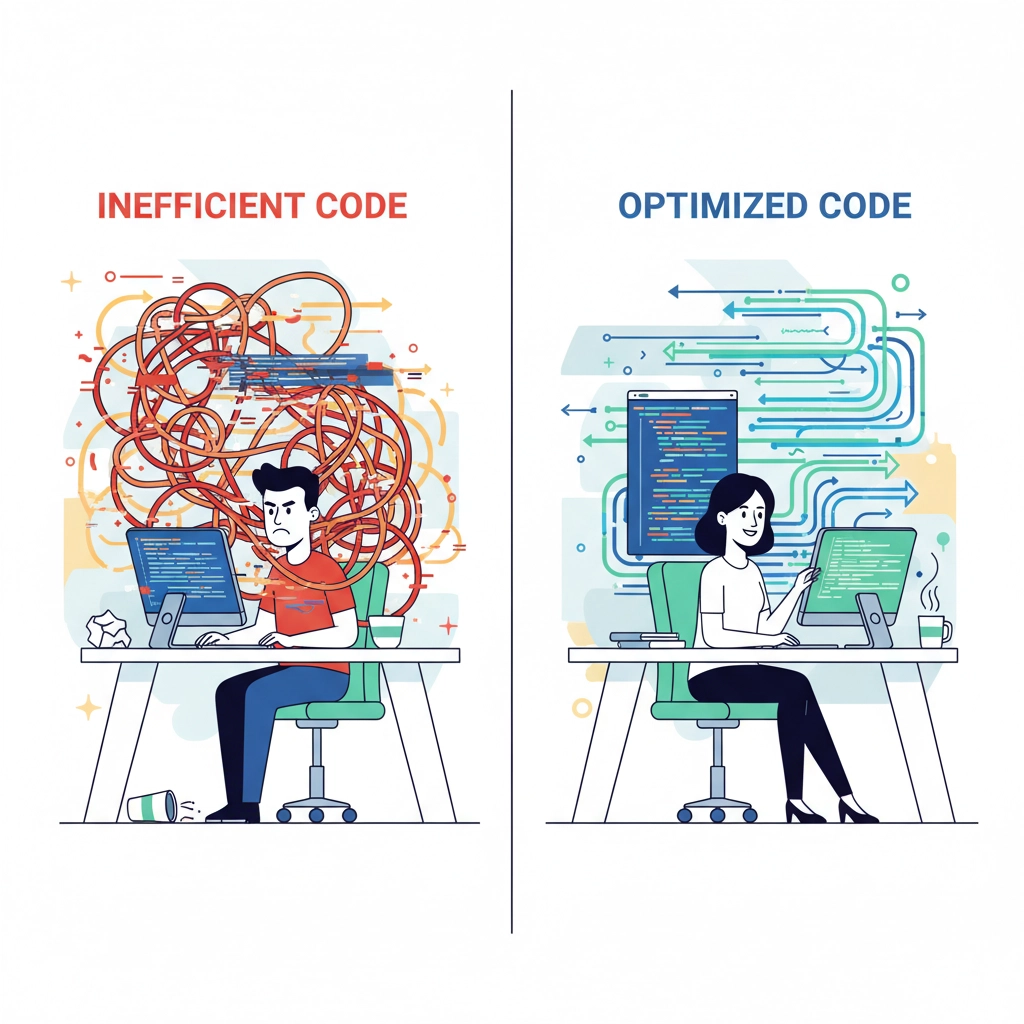
I remember when I first started teaching, I had this student – let’s call him Dave (sorry Dave, if you’re reading this!) – who could write beautiful Python code. Clean, readable, followed all the PEP 8 guidelines. But when it came to his technical interviews? He bombed. Every. Single. One.
Why? Because when they asked him to optimize a search algorithm or explain why his solution was taking forever to run on large datasets, he was stumped. Dave knew Python, but he didn’t understand the fundamental building blocks that make programs actually work efficiently.
Why DSA is Your Secret Weapon in Technical Interviews
Let’s be brutally honest here – technical interviews in 2025 are tough. Really tough. Companies aren’t just asking you to write “Hello World” anymore (thank goodness, because that would be boring as!).
They’re throwing problems at you like:
- “How would you find the shortest path between two points in a network?”
- “Design a system that can handle millions of user requests per second”
- “Optimize this code – it’s currently taking 10 seconds to process what should take milliseconds”
Without understanding data structures and algorithms, these questions sound like they’re written in ancient Greek. But with solid DSA knowledge? You’ll be tackling them like a pro. Want structured practice with real interview-style problems? Grab our complete guide while it’s discounted: Enroll here.
The Real-World Impact (It’s Not Just Interview Theatre!)
Now, some of you might be thinking: “OK Tim, interviews are one thing, but do I actually use this stuff on the job?”
Fair dinkum question! And the answer is absolutely YES.
Data Science and Engineering Roles
If you’re working with datasets (and let’s face it, who isn’t these days?), you need to understand how to process information efficiently. I’ve seen data scientists spend hours waiting for their analysis to complete, simply because they chose the wrong data structure for the job.
Understanding when to use a dictionary vs. a list, or how hash tables work under the hood, can literally turn a 3-hour processing job into a 3-minute one. That’s the difference between going home on time and staying back until midnight! If you want the patterns and practice that make those wins repeatable, the complete guide is on discount now—jump in here: Python DSA course.
Backend Development
Building APIs and server-side systems? Mate, you’re going to need algorithms for everything from user authentication to database optimization. When your system starts handling thousands of requests per second, inefficient code becomes your worst nightmare.

AI and Machine Learning
This is where things get really exciting! AI engineers aren’t just plugging into pre-built libraries anymore (though those are great too). They’re optimizing neural networks, implementing custom algorithms, and working with cloud platforms where every millisecond of compute time costs money.
Breaking Down the Intimidation Factor
I’ll let you in on a little secret – I used to be absolutely terrified of algorithms. I thought they were only for those super-smart computer science graduates with their fancy degrees (spoiler alert: I’m mostly self-taught!).
But here’s what I discovered: data structures and algorithms aren’t about being a genius. They’re about understanding patterns and knowing which tool to use for which job.
Think of it like this:
- Arrays and Lists: Your basic toolbox – good for most jobs
- Stacks and Queues: Specialized tools for specific tasks (like managing function calls or handling requests in order)
- Hash Tables/Dictionaries: Your speed demons for quick lookups
- Trees and Graphs: For when you need to represent relationships and hierarchies
Once you understand what each tool does and when to use it, everything clicks into place!
How Our New Course Changes the Game
Now, I’m not just here to convince you that DSA is important (though I hope I’ve done that!). I’m here to tell you how our new course makes this intimidating subject actually enjoyable.
We’ve designed this course around three core principles:
1. Learn by Doing, Not Memorizing
Forget about memorizing dozens of sorting algorithms. We focus on understanding the fundamental concepts and then applying them to solve real problems. You’ll build actual projects that you can show off in interviews and add to your portfolio.
2. Python-First Approach
Unlike those traditional computer science courses that jump between C++, Java, and whatever else, we stick with Python throughout. This means you can focus on learning the concepts without getting distracted by syntax differences.
3. Interview-Ready from Day One
Every topic we cover includes actual interview questions and scenarios. By the time you finish, you won’t just understand the theory – you’ll know exactly how to apply it when someone’s sitting across from you asking the tough questions. If that sounds like what you need before your next interview, grab the course while it’s discounted: Start the complete guide.
The Career Impact (This is Where It Gets Exciting!)
Let me paint you a picture of what mastering DSA can do for your career:
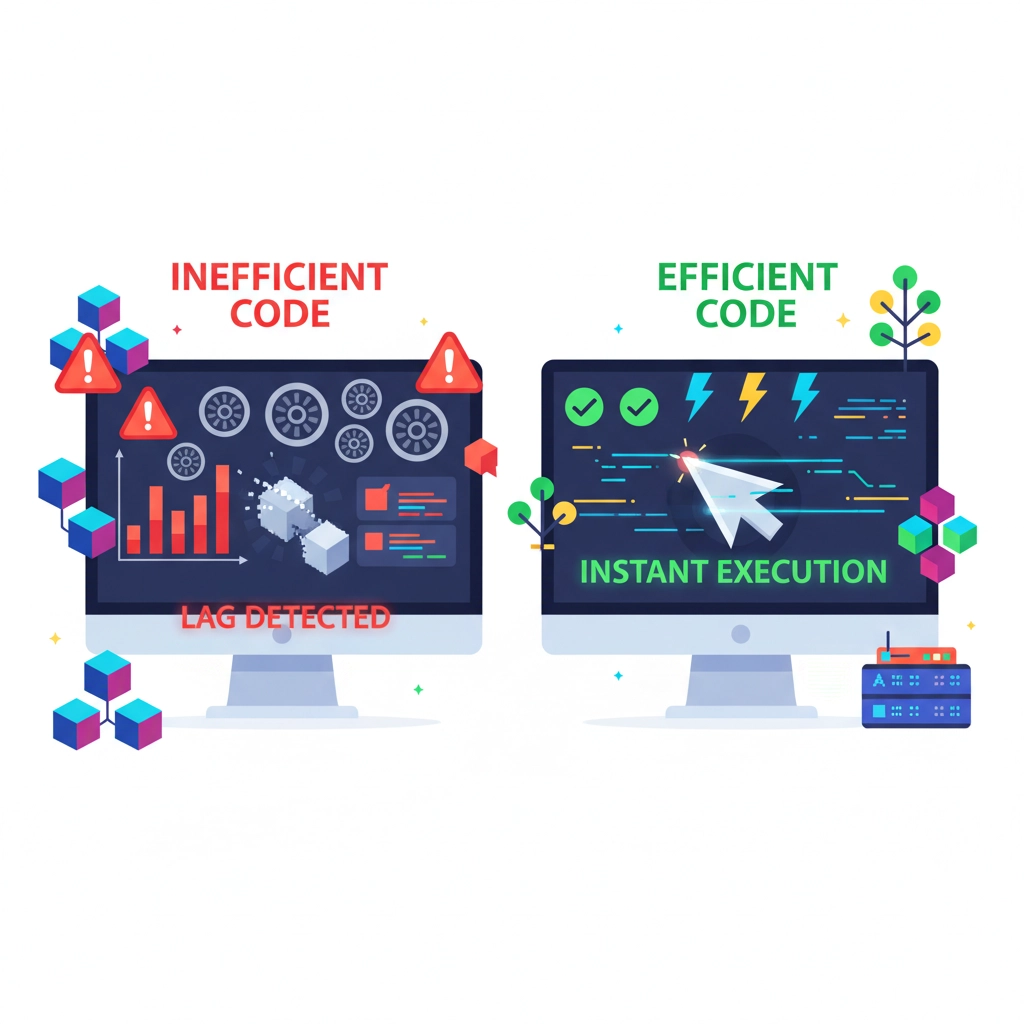
Immediate Impact: You’ll start writing more efficient code right away. Your programs will run faster, use less memory, and handle larger datasets.
Interview Confidence: No more sweating through technical interviews. You’ll actually look forward to them because you know you can handle whatever they throw at you.
Problem-Solving Skills: This is the big one! DSA teaches you to break down complex problems into manageable pieces. This skill transfers to everything – not just coding.
Higher Salary Potential: Companies pay premium salaries for developers who can build scalable, efficient systems. We’re talking significant salary bumps here.
My Personal DSA Journey (And Why I’m Passionate About This)
I’ll be completely honest with you – I wish I’d learned this stuff properly years ago. I spent way too long writing inefficient code and wondering why my programs were slow. I remember one particular project where I was processing customer data, and my script was taking literally hours to complete.
A mate of mine (cheers, Sarah!) took one look at my code and said, “Tim, you’re using a list when you should be using a set. And why are you looping through everything when you could use a hash table?”
Twenty minutes later, my script was running in under a minute. TWENTY MINUTES! That was my lightbulb moment.
Getting Started: What You Need to Know
The beautiful thing about our DSA course is that you don’t need to be a Python expert to begin. If you know basic Python syntax (variables, loops, functions), you’re ready to dive in.
We start with the fundamentals and build up gradually. No one gets left behind, and there’s no such thing as a stupid question (trust me, I’ve asked plenty of those myself!).
Your Next Steps
Look, I could keep talking about this for hours (and my wife will tell you, I often do!), but the best way to understand the value is to experience it yourself.
Data structures and algorithms aren’t just academic concepts – they’re practical tools that will transform how you approach programming problems. Whether you’re looking to land your first tech job, switch careers, or level up in your current role, this skillset is your ticket to standing out in 2025’s competitive market.
The demand for Python developers who truly understand how to write efficient, scalable code has never been higher. Don’t let the intimidation factor hold you back – with the right approach and guidance, anyone can master these concepts.
Ready to give your programming career the boost it deserves? Your future self will thank you for taking this step! And while the discount’s live, you can enroll here: Python Data Structures and Algorithms: Complete Guide.
Want to know more about our courses or have questions about getting started? Drop me a line – I’m always happy to chat about programming and help point you in the right direction. Happy coding, legends!

You may also like

What is the Best Programming Language to Learn?

Your Questions About a Career in Programming